Minimum Wage by Age Calculator (UK)
Pick your age band, enter your hours, and see your gross minimum wage pay per week, month and year — with the April 2026 rates that apply now and the April 2027 rates already announced.
By the TipsPay UK editorial team · Updated $1
Key numbers at a glance
| Age band (from 1 April 2026) | Hourly rate | 38 h week | Annual (52 weeks) |
|---|---|---|---|
| 21 and over — National Living Wage | £12.71 | £482.98 | £25,114.96 |
| 18–20 | £10.85 | £412.30 | £21,439.60 |
| 16–17 | £8.00 | £304.00 | £15,808.00 |
| Apprentice | £8.00 | £304.00 | £15,808.00 |
Rates per GOV.UK — National Minimum Wage and Living Wage rates.
Monthly = weekly × 52 ÷ 12. These are gross figures — for what actually lands in your bank account after tax and National Insurance, use the take-home pay calculator. Tips and service charges are extra to these amounts and can never be used to reach them. Estimates only — verify current rates with GOV.UK.

How the age bands work
UK minimum wage law fixes pay by age, not by job. There are four bands. Workers aged 21 and over get the National Living Wage — £12.71 an hour from 1 April 2026. Workers aged 18 to 20 get £10.85. Workers aged 16 to 17 above compulsory school age get £8.00. And apprentices get £8.00 if they are under 19, or aged 19 or over and in the first year of their apprenticeship; an apprentice who is 19+ and past year one moves onto the band for their age.
The band changes on your birthday, not at the end of a pay period. Turn 21 mid-month and your hourly floor rises to £12.71 from that date — your payslip should show the split. Employers who keep paying the old band after your birthday are underpaying you, and underpayment is assessed hour by hour: on a 38-hour week, the gap between the 18–20 rate and the NLW is (£12.71 − £10.85) × 38 = £70.68 a week — over £3,600 a year if nobody notices.
Three more rules matter for hospitality staff. First, tips never count towards the minimum wage — see the Tips Act guide. Second, the rate applies to every hour worked, including training time, opening and closing side-work, and mandatory meetings; averaging a high-paid week against a low-paid one is not allowed if the low week breaches the band. Third, if you are asked to sleep over or be on call, different rules on what counts as working time can apply — check the GOV.UK minimum wage guidance or call ACAS for free advice.
What changes in April 2026
Every April the rates are uprated, and on 1 April 2026 all four bands rose. The National Living Wage went up 50p, from £12.21 to £12.71 (about 4.1%). The 18–20 rate got the largest rise in percentage terms — up 85p from £10.00 to £10.85 (8.5%) — continuing the government's path towards a single adult rate. The 16–17 and apprentice rates each rose 45p, from £7.55 to £8.00 (6.0%).
| Age band | April 2025 | April 2026 (now) | Change | April 2027 (announced) |
|---|---|---|---|---|
| 21+ (National Living Wage) | £12.21 | £12.71 | +50p (+4.1%) | £13.21 |
| 18–20 | £10.00 | £10.85 | +85p (+8.5%) | £11.27 |
| 16–17 | £7.55 | £8.00 | +45p (+6.0%) | £8.31 |
| Apprentice | £7.55 | £8.00 | +45p (+6.0%) | £8.31 |
Source: GOV.UK rates table, which lists April 2026 rates as current and the April 2027 uprating following the Low Pay Commission's recommendations. Confirm the 2027 figures on GOV.UK before relying on them.
For a full-time 38-hour worker, the April 2026 rise is worth (£12.71 − £12.21) × 38 × 52 = £988 gross a year on the NLW band — before tax and NI, which the take-home calculator handles. An 18–20-year-old on the same hours gained £1,679.20 a year. The April 2027 uprating would add another £988 for NLW staff on 38 hours if confirmed as announced.
If you were underpaid in previous years you can still claim: arrears going back up to 6 years (5 in Scotland) can be recovered, and HMRC enforces the minimum wage with penalties of up to 200% of arrears, capped at £20,000 per worker. Start with a records request to your employer, then ACAS early conciliation — our tips law page walks through the process.
Full-time, part-time and zero-hours examples
| Pattern | Band | Weekly gross | Monthly gross | Yearly gross |
|---|---|---|---|---|
| 38 h/week (full-time) | 21+ — £12.71 | £482.98 | £2,092.91 | £25,114.96 |
| 20 h/week (part-time) | 21+ — £12.71 | £254.20 | £1,101.53 | £13,218.40 |
| 30 h/week | 18–20 — £10.85 | £325.50 | £1,410.50 | £16,926.00 |
| 16 h/week | Apprentice — £8.00 | £128.00 | £554.67 | £6,656.00 |
Zero-hours workers are paid the same band rates for every hour actually worked; there is no minimum for hours not offered. Holiday for irregular-hours staff accrues at 12.07% of hours worked — see holiday pay for hospitality.
Checking your payslip against the calculator
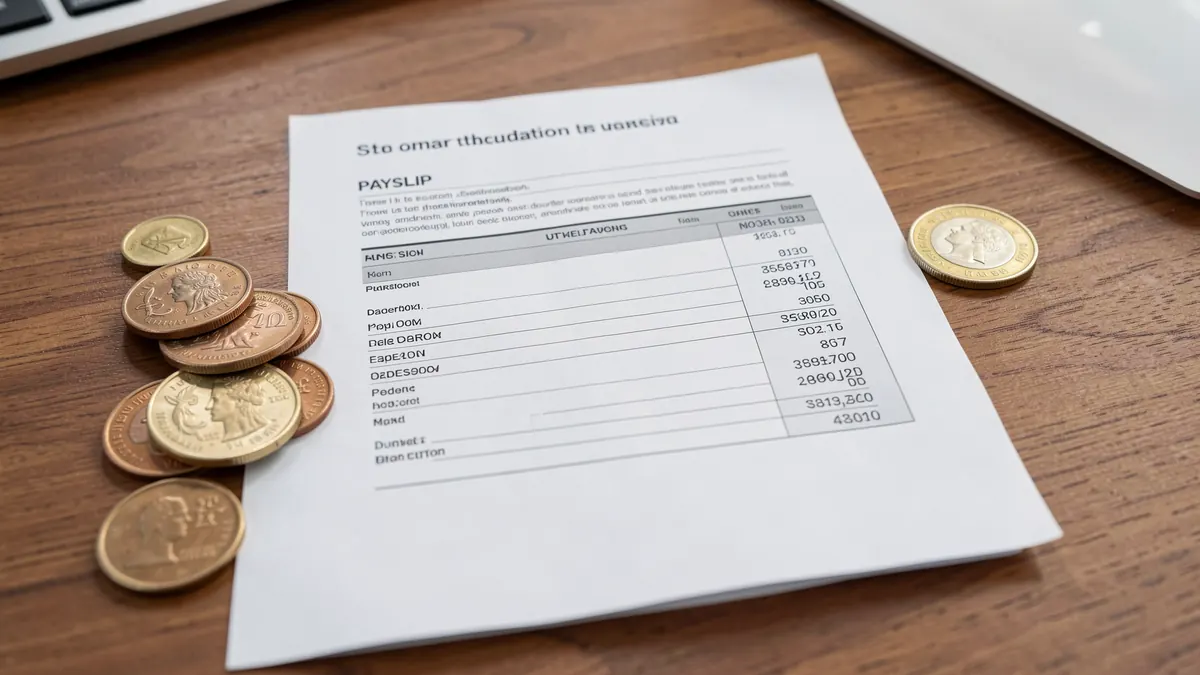
Run the calculator with your contracted hours, then compare the weekly gross with your payslip. If the payslip is lower, three explanations account for most cases: your employer is applying the wrong age band; unpaid breaks are being counted as paid when they should not be (or paid breaks are being docked when they should not be); or "average" pay is hiding sub-minimum weeks. Tips and tronc payments never enter the comparison — they sit on top of the wage, never inside it.
This page is general information, not legal advice. Rates and rules change — always verify with GOV.UK, and get free confidential guidance from ACAS (0300 123 1100) before raising a wage dispute.

FAQ
What is the UK minimum wage in 2026?
From 1 April 2026: £12.71 an hour for workers aged 21 and over (National Living Wage), £10.85 for 18–20 year olds, and £8.00 for under-18s and apprentices. From April 2027 the announced rates are £13.21, £11.27 and £8.31. Verify current rates on GOV.UK.
Which minimum wage applies on your 18th, 20th or 21st birthday?
The higher band starts the day you reach the age. You move to the 18–20 rate at 18, and to the National Living Wage at 21. Under-18s and apprentices under 19 (or in the first year of an apprenticeship) get the £8.00 apprentice/16–17 rate.
What changed in April 2026?
Every band rose on 1 April 2026: the National Living Wage went up 50p from £12.21 to £12.71 (about 4.1%), the 18–20 rate up 85p from £10.00 to £10.85 (8.5%), and the 16–17 and apprentice rates up 45p from £7.55 to £8.00 (6.0%).
Do tips count towards the UK minimum wage?
No. UK employers cannot count tips, service charges or tronc payments towards the National Minimum Wage. Your employer-paid hourly wage alone must reach your age band rate for every hour you work — the biggest difference from the US tip credit system.
How many hours can I multiply the minimum wage by for a yearly figure?
Statutory annual figures assume 52 paid weeks, so weekly × 52 = yearly, and yearly ÷ 12 = monthly. A 38-hour week at £12.71 is £482.98 a week, about £2,092.91 a month and £25,114.96 a year in gross pay.
What happens if my employer pays below the minimum wage?
It is a criminal and civil matter enforced by HMRC on behalf of the Department for Business. Workers can complain to ACAS or report the employer to HMRC; arrears must be repaid and employers can face penalties of up to 200% of the underpayment (capped at £20,000 per worker) plus public naming.