Service Charge vs Tips vs Tronc (UK)
"12.5% service included." Three words that decide where £12.50 of every £100 bill goes. Here is the difference between service charges, tips and tronc — and who is entitled to each pound under UK law.
By the TipsPay UK editorial team · Updated $1
Key numbers at a glance
| Money type | Who decides the amount | Who must receive it | Tax / NIC route |
|---|---|---|---|
| Service charge (10–15%, e.g. 12.5%) | The venue adds it to the bill | 100% to workers (Tips Act) | PAYE; no NI if via genuine tronc |
| Tip — cash left on the table | The customer | The worker, directly | Taxable; outside PAYE & NICs |
| Tip — card or app | The customer | 100% to workers via payroll or tronc | PAYE; NICs unless tronc |
| Tronc distribution | Independent tronc master | Workers, per the tronc's rules | PAYE; no Class 1 NICs |
Rules per the Tips Act Code of Practice (GOV.UK) and HMRC E24. General information — not legal or tax advice.
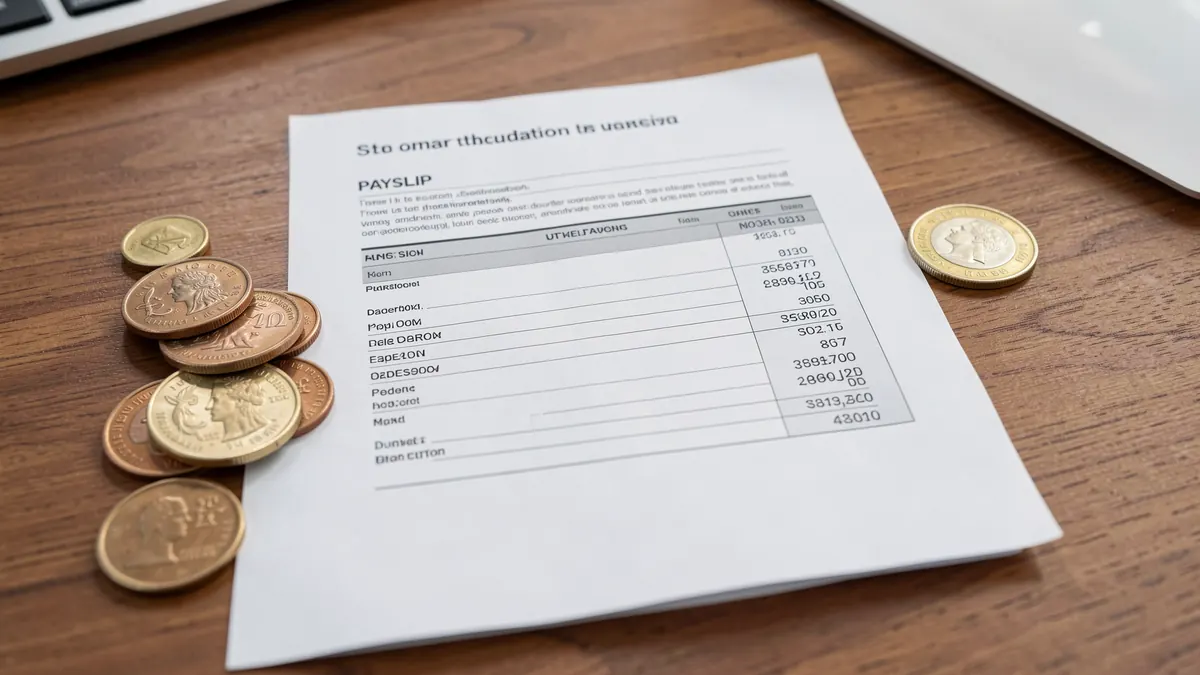
Service charge vs tips: the difference
A service charge is added to the bill by the business — typically 10%, 12.5% or 15% in UK restaurants, sometimes labelled "discretionary" (suggested, removable) and sometimes mandatory (pre-applied, payable). A tip is chosen freely by the customer: coins on the table, a card tip added when paying, or an app top-up. The historical difference was control — the venue decided what happened to service charges, and some kept a slice. Since the Employment (Allocation of Tips) Act 2023 came into force on 1 October 2024, that distinction has largely collapsed in the way that matters most: qualifying tips, gratuities and service charges must all be paid 100% to workers, allocated fairly and transparently under the statutory Code of Practice, with agency workers included and records kept for at least 3 years.
Tax is where the practical differences survive. Cash tips you receive directly are yours immediately — taxable income, but outside PAYE and National Insurance. Card tips and service charges distributed by the employer go through payroll with income tax and 8% employee Class 1 NI deducted. The same money flowing through a genuine tronc is taxed via the tronc's PAYE scheme but pays no Class 1 NI at all (HMRC E24). None of it ever counts towards your minimum wage, and none of it can lawfully fund card fees, breakages or walkouts.

Who keeps what
Follow a single £112.50 bill — £100 of food, a 12.5% service charge — through each route. The £12.50 is a qualifying tip. The restaurant cannot keep it, and it cannot quietly fund "admin". It must reach the workers at that site, with only tax (and, on a tronc, the tronc master's reasonable admin cost) coming out first. What counts as a fair split — how much to the server who ran the table versus the kitchen that cooked it — is set by the employer's or tronc's written allocation, which must be objective, consistently applied and explained to staff.
| Scenario on a £100 bill + 12.5% service | Customer pays | Employer may keep | Workers receive |
|---|---|---|---|
| Service charge via employer payroll | £112.50 | £0 (PAYE tax only deducted first) | £12.50 less income tax & 8% NI |
| Service charge via genuine tronc | £112.50 | £0 | £12.50 less income tax, no Class 1 NI |
| Customer removes service, leaves £15 cash tip | £115.00 | £0 — cash never touches the business | £15 directly to staff (taxable, no PAYE/NI) |
| Customer removes service, adds £15 card tip | £115.00 | £0 | £15 less tax (and NI unless via tronc) |
| Employer withholds 20% "admin" | £112.50 | £0 — unlawful | Full £12.50 owed; tribunal claim |
Illustrative figures; deductions per the Tips Act and HMRC E24. If your statement shows an "administration" line that is not the tronc master's cost, see the Tips Act guide for how to challenge it via ACAS.
Two practical habits close the loop. For customers: if you want the person who served you to get the money, tips travel more directly than service charges — but since the Act, service charges must reach staff too, so either route now benefits the team. For workers: check that the service-charge pot on your statement reconciles with the venue's takings, that distribution happens by the end of the month after receipt, and that back-of-house share is decided by the published formula, not the mood of the week. And remember tips sit on top of your wage — net pay on the wage itself is a separate calculation the take-home calculator does.
FAQ
Is a service charge the same as a tip?
No. A service charge is added to the bill by the venue — commonly 10%, 12.5% or 15% — while a tip is left voluntarily by the customer. Since 1 October 2024 both are qualifying tips under the Tips Act: 100% must go to workers, allocated fairly.
Can a restaurant keep the service charge?
Not since 1 October 2024. Qualifying service charges must be paid to workers in full, with only tax (PAYE) and, on a tronc, the tronc master's reasonable admin costs deducted. Keeping any of it to cover business costs is unlawful and can be challenged at an employment tribunal.
What does 12.5% service charge mean on a £100 bill?
£12.50 is added, making the bill £112.50. Under the Tips Act that £12.50 belongs to the workers who served the table — distributed by the employer or a tronc under fair, transparent rules — not to the restaurant.
Is service charge taxable and does it pay NI?
Yes, service charges are taxable income. Distributed through employer payroll they also attract Class 1 National Insurance (8% employee, 15% employer); distributed through a genuine tronc they are taxed via PAYE but exempt from Class 1 NICs — per HMRC guidance E24.
What is the difference between discretionary and mandatory service charge?
A mandatory (pre-applied) charge is part of the bill the customer must pay; a discretionary one is suggested and can be removed. For workers the practical outcome is similar — since the Tips Act, qualifying service charges of either kind must reach staff in full.
Do kitchen staff get a share of service charge?
If the employer or tronc's fair, transparent allocation includes them — and most hospitality pools do share with back-of-house, typically weighting front-of-house higher. The Code of Practice requires the split to be objective and explained, not decided case by case in the office.